
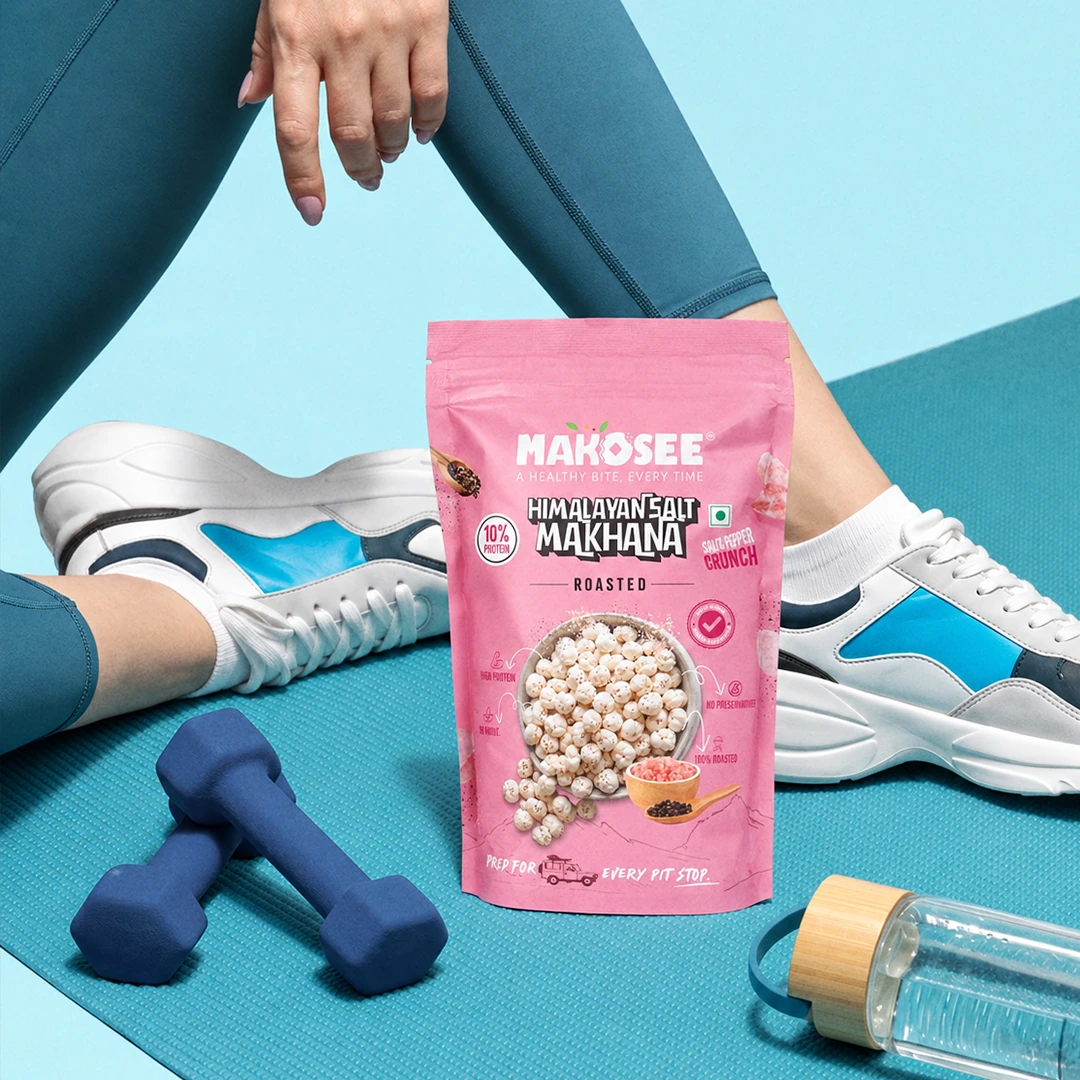
Makhana can be a useful snack when the portion, roasting oil, seasoning and the rest of the meal are considered together. This hub brings common benefits and nutrition searches into one place without turning a food guide into a medical promise.
What makes makhana a popular snack?
Popped makhana is light, crisp and easy to portion. Plain or lightly roasted kernels can fit into snack routines, while flavoured products need to be judged by their ingredient list, serving size, oil and sodium.
- Check the serving size rather than eating from a large pouch.
- Compare the nutrition panel of the exact flavour or recipe.
- Choose a cooking method and seasoning level that suits your routine.
- For a medical condition, use your clinician's advice over generic internet tips.
Questions people ask next
- Is makhana garam or thanda? Read the taseer guide.
- How much makhana should you eat and when? Start with the portion guide.
- Can you eat makhana with milk? See the milk and kheer guide.
- Is makhana better than popcorn? Compare preparation, toppings and portions.
- What about diabetes, pregnancy, babies or side effects? Read the cautious topic guides.
The Makosee product lens
Makosee's roasted range is positioned around Katihar sourcing, small-batch roasting and bold flavours. Those are product attributes, not a substitute for a balanced diet. Read the current pack label for ingredients, allergens, serving size and nutrition information.
Frequently asked questions
What are the benefits of eating makhana?
Makhana is a convenient, naturally gluten-free popped seed that can provide energy and some protein and fibre. The benefit depends on the portion, recipe, roasting oil and the rest of your diet.
How many makhana should I eat in a day?
There is no single number for everyone. Use the serving size on the product label, portion a bowl instead of eating from the pouch and adjust for your overall needs.