
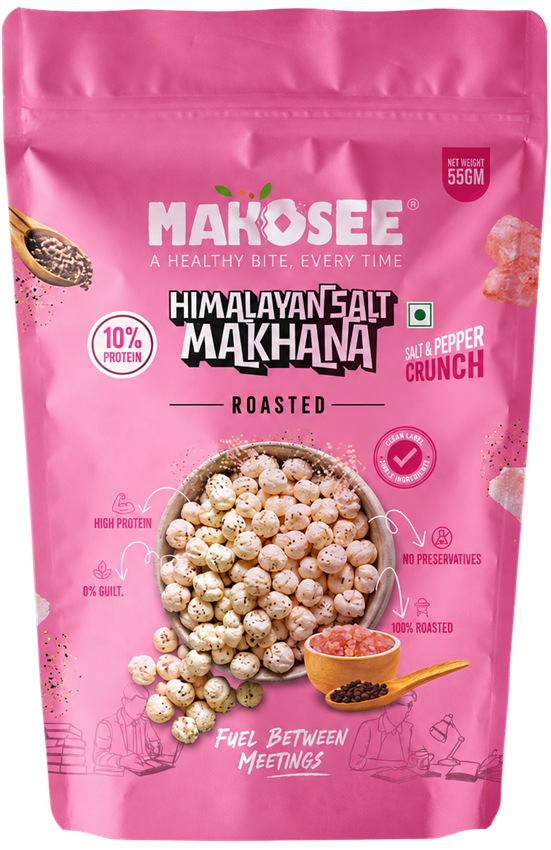
Makhana is a food, not a risk-free supplement. Eating too much, choosing a rich preparation or ignoring an allergy can cause problems for some people. Use a sensible portion, read the label and stop if you notice a reaction or persistent symptoms.
Common reasons a snack may not feel good
- Large portions can feel heavy, especially late at night.
- Oil, chilli, salt, sugar or dairy may be the issue rather than the plain kernel.
- A stale or damp product can have poor texture and taste.
- Milk, peanut, mustard or other ingredients may matter for allergies or intolerances.
Who should ask before making it a daily habit?
People managing diabetes, pregnancy, infant feeding, allergies, kidney or digestive conditions, or a medically prescribed diet should ask a qualified professional about portions and preparation.
When to stop and seek help
Stop eating the product and seek appropriate medical help for symptoms of a serious allergic reaction, severe pain, repeated vomiting, breathing difficulty or another urgent symptom.
Frequently asked questions
What happens if I eat too much makhana?
A large portion may feel heavy and added oil, spice, salt or sugar may cause discomfort. Reduce the portion and speak with a professional if symptoms persist.
When should I not eat makhana?
Avoid a product if you know you are allergic to an ingredient, if it is stale or contaminated, or if a clinician has advised you to avoid it.