
Quick answer
Many people include plain makhana or simple makhana recipes during vrat and upvas, but fasting rules differ by family, region and tradition. Check each ingredient—especially seasoning, dairy, grains and packaged flavour mixes—against the rules you follow.
Is makhana allowed in vrat?
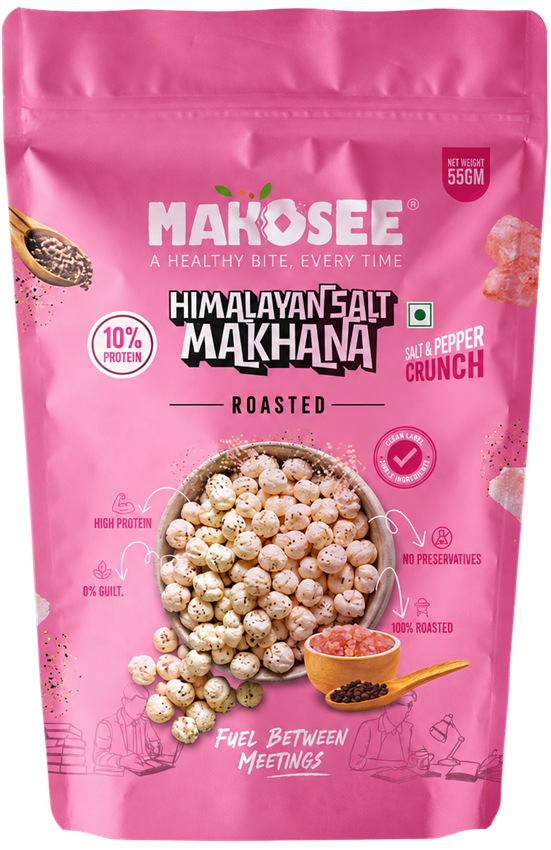
Plain phool makhana is commonly used in fasting meals because it is a seed and can be cooked without grains. That does not make every packaged product automatically vrat-friendly: flavour powders, oils and additives may differ.
Vrat-friendly ways to prepare it
- Dry-roast plain makhana and finish with sendha namak if your tradition permits it.
- Make makhana kheer with milk and permitted additions.
- Cook a simple makhana curry with ingredients accepted in your household.
- Use a small bowl as a snack instead of grazing all day.
Questions before buying a packaged flavour
- Does the seasoning contain regular salt or cereal ingredients?
- Does the flavour contain milk, peanut or another allergen relevant to you?
- Is the product vegetarian or plant-based according to the label?
- Are you buying a ready-to-eat snack or plain kernels for cooking?
PEOPLE ALSO ASK
Frequently asked questions
Can we eat makhana during Navratri?
Many households do eat plain makhana during Navratri, but customs vary. Confirm the seasoning and other ingredients with your fasting rules.
Can makhana be eaten in Ekadashi vrat?
Makhana is commonly used in some Ekadashi meals, but rules vary. Follow the guidance of your household or religious tradition.