
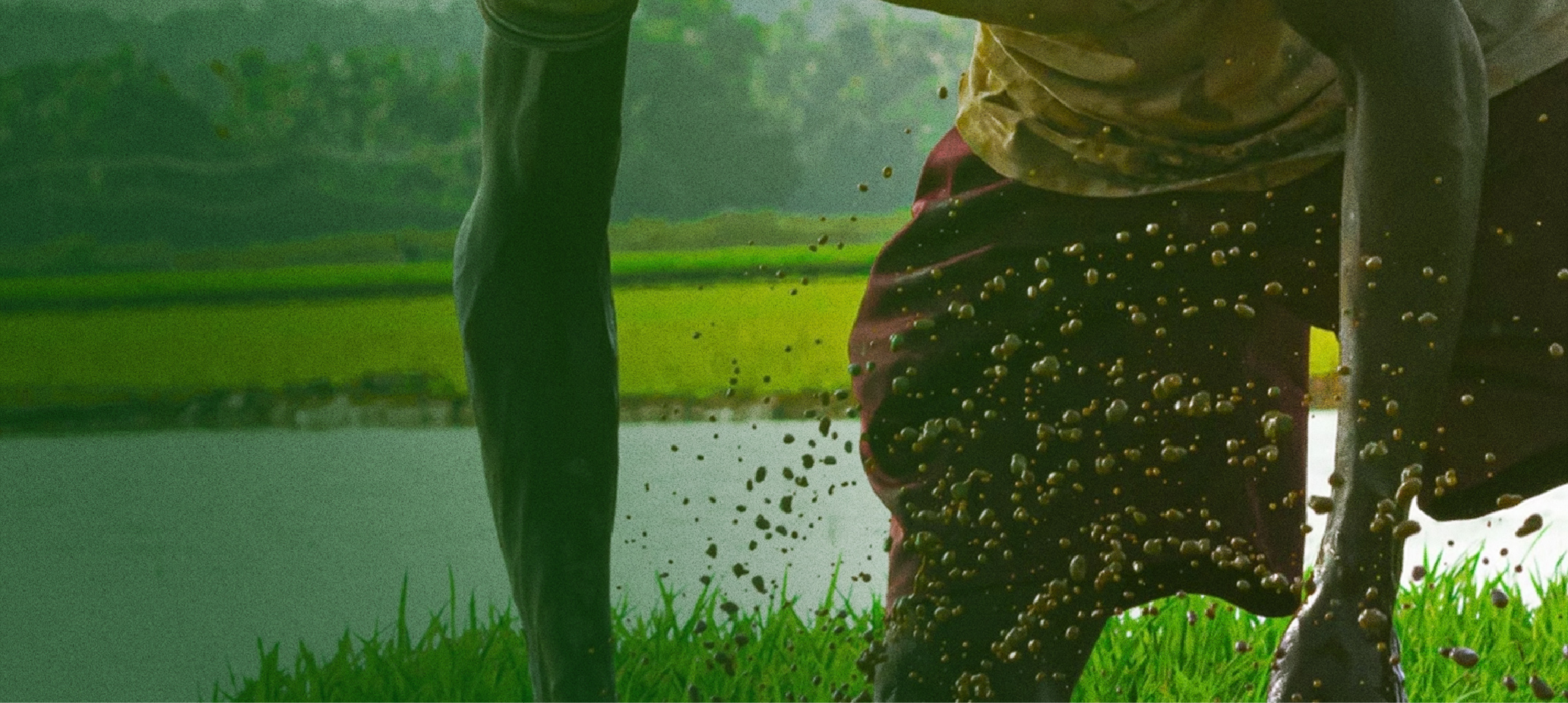
Makhana farming is pond-based agriculture, so sowing, water management and harvest depend on local conditions rather than one universal calendar. A farmer, agriculture officer or local producer is the right source for a current field-level schedule.
Why the calendar varies
Pond depth, water temperature, local rainfall, seed material, labour and the intended harvest all influence a crop. Search snippets often turn a regional practice into a fixed number of days; use those numbers as a starting question, not a promise.
The farming cycle in plain language
- Prepare and manage pond or wetland conditions.
- Introduce or sow the crop according to local practice.
- Manage water, weeds, pests and growth through the crop.
- Collect mature seeds, then dry and process them.
- Grade popped kernels and route them to retail, food service or wholesale.
What a buyer should ask
| Question | Why it helps |
|---|---|
| Which district and pond system? | Origin and growing conditions |
| When was it harvested? | Freshness and crop timing |
| How was it dried and popped? | Texture and processing |
| What grade or suta? | Size and intended use |
| How is it packed? | Moisture protection and shelf life |
Frequently asked questions
When is makhana sown?
Sowing and pond preparation depend on region, water conditions and local farming practice. Confirm the current calendar with a local expert.
How many days does a makhana crop take?
There is no single number for every pond and season. Crop time changes with variety, water, weather and harvest goals.