
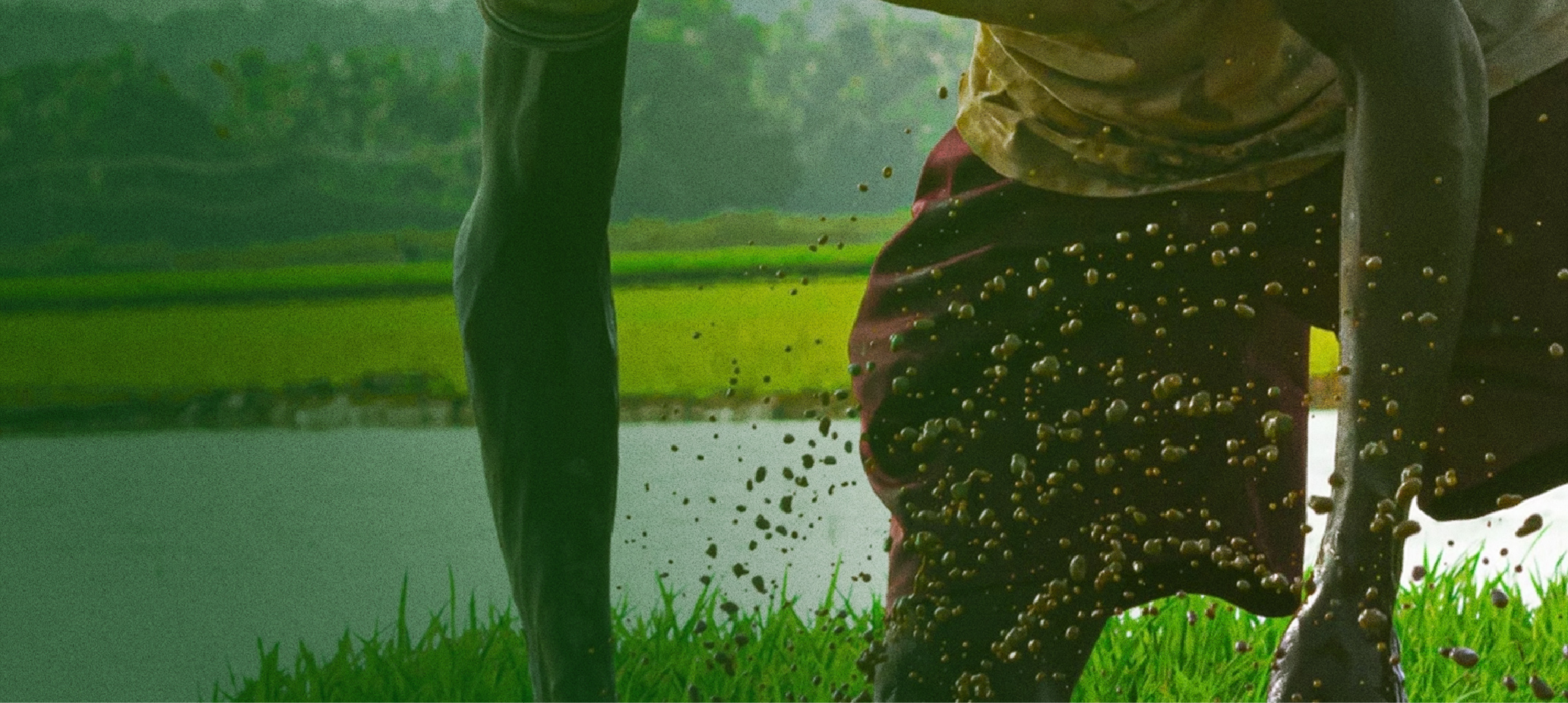
Makhana grows in ponds and wetlands, so its story begins in water rather than on a conventional field. Bihar is central to India's makhana supply chain, and Makosee's brand story begins in Katihar, where the crop is harvested, graded and processed close to its source.
Where is makhana grown?
Northern Bihar is the best-known producing region in India, with clusters across Mithila and Seemanchal. Katihar, Purnia, Darbhanga and Madhubani are often discussed in the context of the crop, but the exact origin of a batch should be confirmed from the supplier.
Why pond cultivation changes the process
The plant's water-based growing environment means farmers manage ponds, water levels, seasonal conditions and hand collection. After harvest, seeds need drying and controlled heating before they become the familiar popped kernels.
- Origin: where the crop was grown and harvested.
- Grade: size and pop quality, commonly discussed with suta measurements.
- Processing: raw, popped, roasted, seasoned or packed for bulk supply.
- Freshness: moisture control, storage and pack date influence texture.
Makosee's Katihar advantage
Makosee positions its roasted and raw range around farm-direct sourcing in Katihar, local farming families and processing close to the ponds. For shoppers, that makes the origin story easy to understand; for B2B buyers, it creates a starting point for questions about grades, lots, moisture and documents.
Frequently asked questions
Does makhana grow on a tree?
No. Makhana comes from a water plant that grows in ponds and wetlands. The edible product is the popped seed.
Which state is famous for makhana?
Bihar is India's best-known makhana-producing state, with important growing areas across Mithila and Seemanchal, including Katihar and Darbhanga.